
How to Check Criminal History in Oregon
No one Oregon search returns every report, booking, court filing, warrant, prison record, and repository entry. Start by defining the event. Oregon State Police Criminal Justice Information Services, or OSP CJIS, provides a limited name-based Open Record on another person and a fingerprint-based copy of your own Oregon record. The Oregon Judicial Department supplies basic statewide case data and paid register access. County agencies remain the source for jail bookings, local police reports, and original circuit-court files.
Collect the full name, known aliases, date of birth when lawfully available, event date, and any case, citation, booking, or incident number. Then follow the source chain:
- Choose the record type and the agency that created it.
- Use OSP CJIS when the goal is an Oregon repository record.
- Search Oregon court data for filed charges, events, and outcomes.
- Open the county site for the booking, report, or document-level court file.
- Compare identifiers and request an official copy from the custodian when accuracy matters.
Note: A no-match response only speaks to that product's coverage and release rules, not to every Oregon criminal record source.
Oregon Open Records Is Not Instant
The Oregon Open Records portal accepts an account request or a one-time card payment. Each $33 request concerns one named person and is nonrefundable, even if OSP finds no releasable match. Required fields include identity details and a current or last-known mailing address for the subject. An account is a way to place and track a request. It is not direct access to the Computerized Criminal History repository.
When a releasable record exists, OSP identifies the requester to the subject and provides a mandatory 14-day challenge period before mailing the result. The public extract can include Oregon convictions and an arrest less than one year old when no acquittal or dismissal has been reported. A result can list the arrest, agency, originating court, disposition, sentence, and certain parole data. It remains name-based. Fingerprints are the stronger identity route for reviewing your own record.
| Portal area | Information requested |
|---|---|
| Subject | Name, aliases, birth information, and address |
| Requester | Name, contact details, and mailing address |
| Delivery | Mail destination after the statutory notice period |
| Payment | Visa or MasterCard for the $33 request |
The Oregon Criminal History Repository
OSP CJIS maintains Oregon's Computerized Criminal History system, Automated Biometric Identification System, and related identity services. Oregon criminal fingerprint files reach back to the 1920s. A new arrest print can match an existing identity file or create one. Courts later send dispositions in the required format. Corrections and supervision updates may follow. The result is a person-centered history, not a folder of every county pleading or police narrative.
Public access is only one edge of the agency's work. LEDS exchanges warrants and other justice data among authorized agencies but is not a public search. UCR publishes aggregate crime statistics, not personal histories. The Sex Offender Registration program follows separate publication law. The detailed Oregon State Police CJIS profile separates each product, its fee, and its access limits.
For self-review, OSP requires a current fingerprint card with the Copy of Own Record or Clearance Letter form and a $33 record fee. OSP also offers fingerprint capture at its Salem headquarters for $30. The copy is mailed only to the subject, normally after a stated seven-to-ten-business-day processing period that excludes mail time.
How Oregon Dispositions Reach OSP
An Oregon criminal history entry grows through reports from different custodians. The arresting agency supplies identity and arrest data. The county jail may create the booking record and fingerprints. The district attorney decides which charge to file. Oregon Circuit Court records the case events and judgment. The court then reports the disposition to OSP, where it must be associated with the correct arrest cycle.
Arrest and fingerprints → county charge and case → court disposition → OSP criminal history.
Older ink cards, rejected electronic messages, a name variation, or a disposition that did not match its fingerprint control number can cause two official views to differ. A 2018 state audit documented interface failures and manual exception work involving judgments, appeals, vacation orders, set-asides, and juvenile purges. It does not prove a current error rate, but it shows why source checking matters. Correct the source court or agency first, then use OSP's challenge process for the repository copy.
Statewide Record Systems in Oregon
Oregon's state tools answer different questions. The repository compiles reported criminal-history events. Court search follows cases. Oregon Offender Search covers people sentenced to DOC custody, while VISOR handles participating custody-status searches and notices. The public registry is a Level 3 notification subset. None replaces an original county report, jail roster, or court document.
| System | What it holds | Run by |
|---|---|---|
| Oregon Open Records portal | Limited name-based Oregon criminal-history product | Oregon State Police CJIS |
| OJD Records Search and OJCIN | Basic case data, registers, and judgment dockets | Oregon Judicial Department |
| Oregon Offender Search | Oregon DOC-sentenced custody and sentence data | Oregon Department of Corrections |
| Oregon Sex Offender Online Search | Qualifying Level 3 public profiles | Oregon State Police |
| LEDS | Restricted warrants and justice information | Oregon State Police CJIS |
Note: County records and OSP history are complementary; one is the originating file and the other is a compiled, legally limited state product.
Oregon DOC Is a Custody Slice
The Oregon Department of Corrections operates 12 institutions and reported 12,124 adults in custody in its May 19, 2026 quick facts. A county jail holds recent bookings, pretrial custody, warrants, sanctions, and some local sentences. DOC generally takes people sentenced to state custody. A person can vanish from a county roster after transfer without being released, while many county bookings never lead to DOC placement.
The Oregon Department of Corrections home page groups its official custody and records channels.
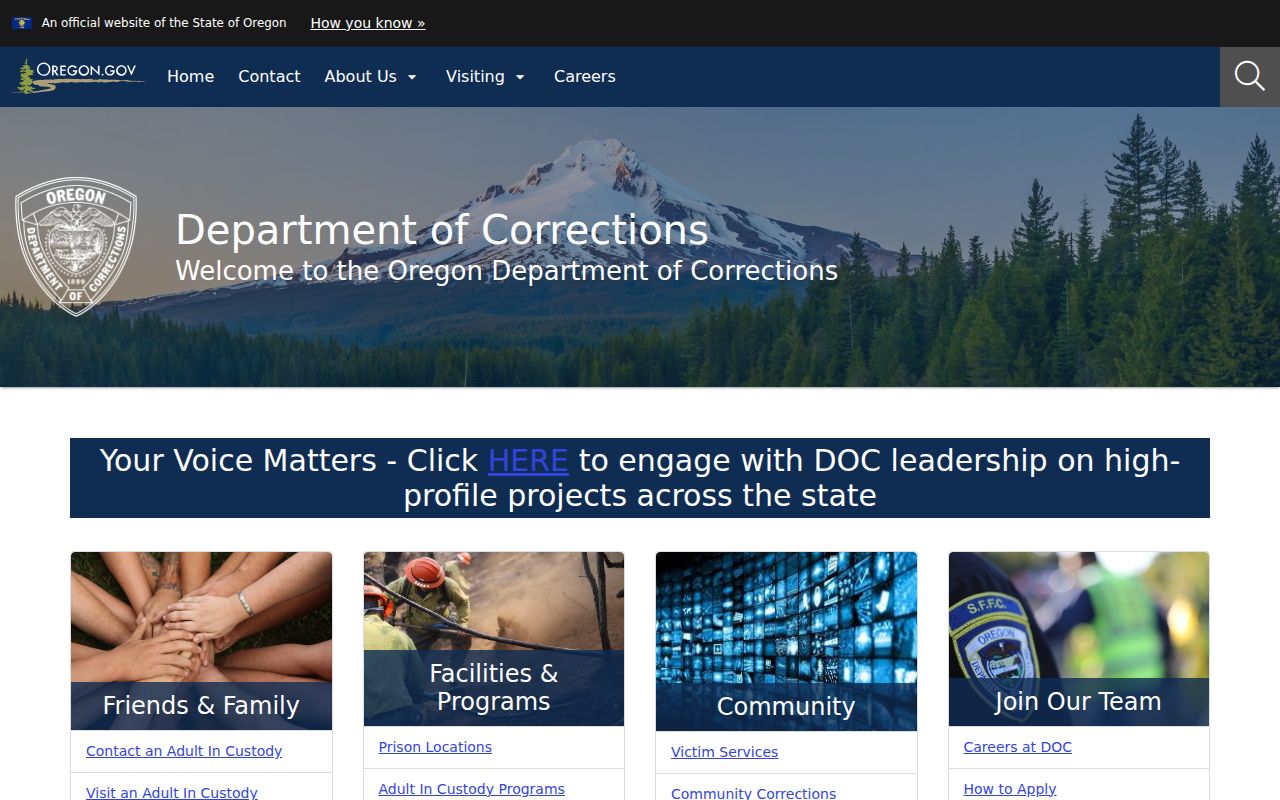
That statewide entry point concerns prison and corrections data, not every Oregon arrest or county jail record.
The official Oregon prison directory shows the institutions behind the statewide custody layer.
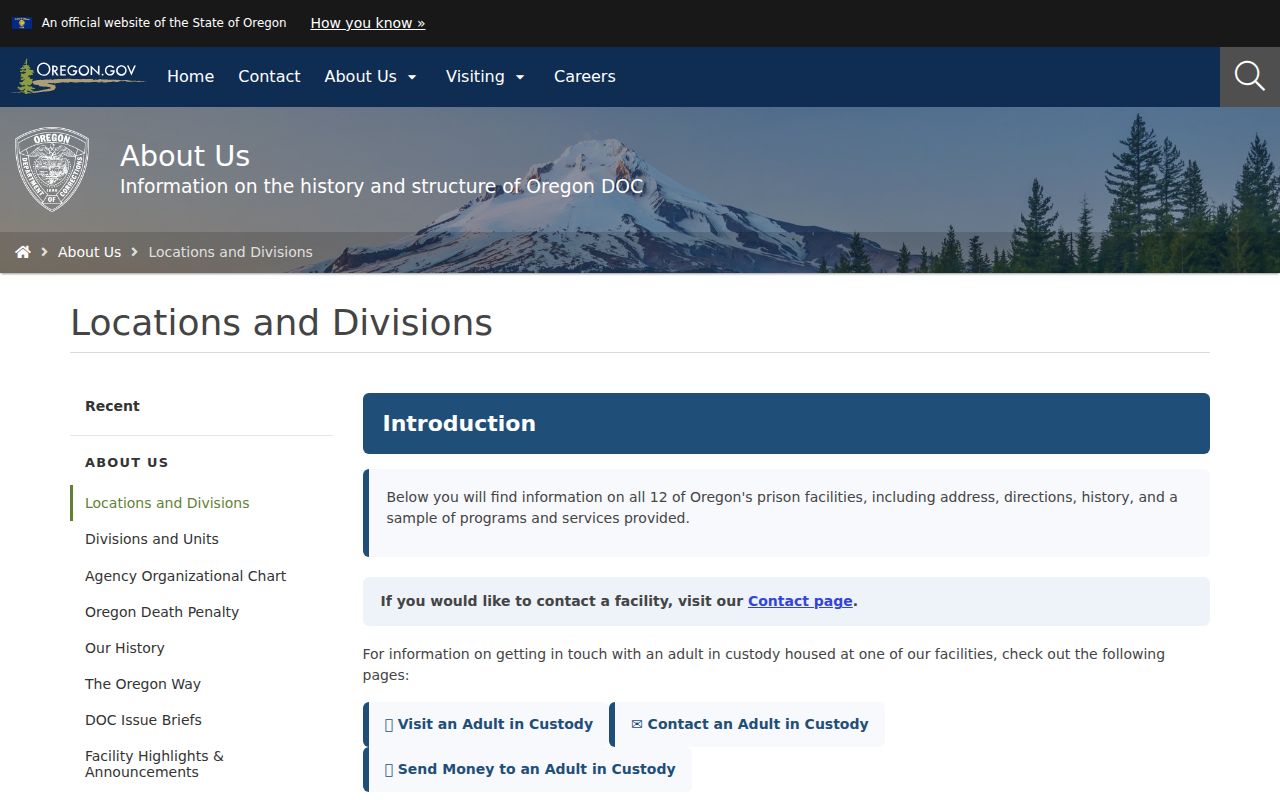
Use Oregon Offender Search for the finding step, then request an official DOC record when a complete or certified corrections file is needed.
Types of Criminal Records in Oregon
A single event can create several Oregon records, each with a different purpose and custodian. The label on a result matters as much as the name inside it.
- Arrest and booking records: the arresting agency and county jail record the event, allegations, and custody.
- Criminal court case files: Oregon courts record charges, hearings, judgments, and sentences by case number.
- Repository rap sheets: OSP CJIS organizes fingerprint-supported cycles and reported outcomes around a person.
- Warrants: courts issue them and law enforcement enters qualifying records into restricted systems.
- Supervision and registry records: courts, county Community Corrections, BOPPPS, DOC, and OSP hold distinct pieces.
- Register of actions
- The chronological list of events in an Oregon court case.
- SID
- The Oregon State Identification number used to separate people in justice systems.
- Disposition
- The outcome of a charge, such as conviction, dismissal, or acquittal.
- Set aside
- The ORS 137.225 remedy for an eligible conviction, arrest, citation, or charge.
Oregon Warrants Need Source Checks
LEDS can contain warrants, protection orders, and other operational records, but the public cannot search it. Oregon has no verified public portal that guarantees a complete live statewide warrant clearance. The safest route is the issuing court plus the sheriff or police agency responsible for the warrant. A municipal matter may require a separate city court check.
A visible entry may show a name, issue date, case or warrant number, court, county, allegation, security amount, and status. Its absence online is not proof that no warrant exists. Spelling, sealed process, another county, delayed data, and restricted access can all hide the relevant entry. For your own suspected warrant, contact the issuing court or counsel before appearing at an agency counter. Only the issuing authority can state what clears the order.
Oregon Supervision Splits Three Ways
Probation, parole, and post-prison supervision are not interchangeable. The sentencing court orders probation, and county Community Corrections agencies usually manage day-to-day felony supervision. Oregon DOC sets statewide standards and supplies grants or some direct services. The Oregon Board of Parole and Post-Prison Supervision, or BOPPPS, has authority over parole and post-prison matters assigned by law, including conditions, sanctions, and Board warrants.
The BOPPPS supervision overview shows the Board's role and its link to county supervision.
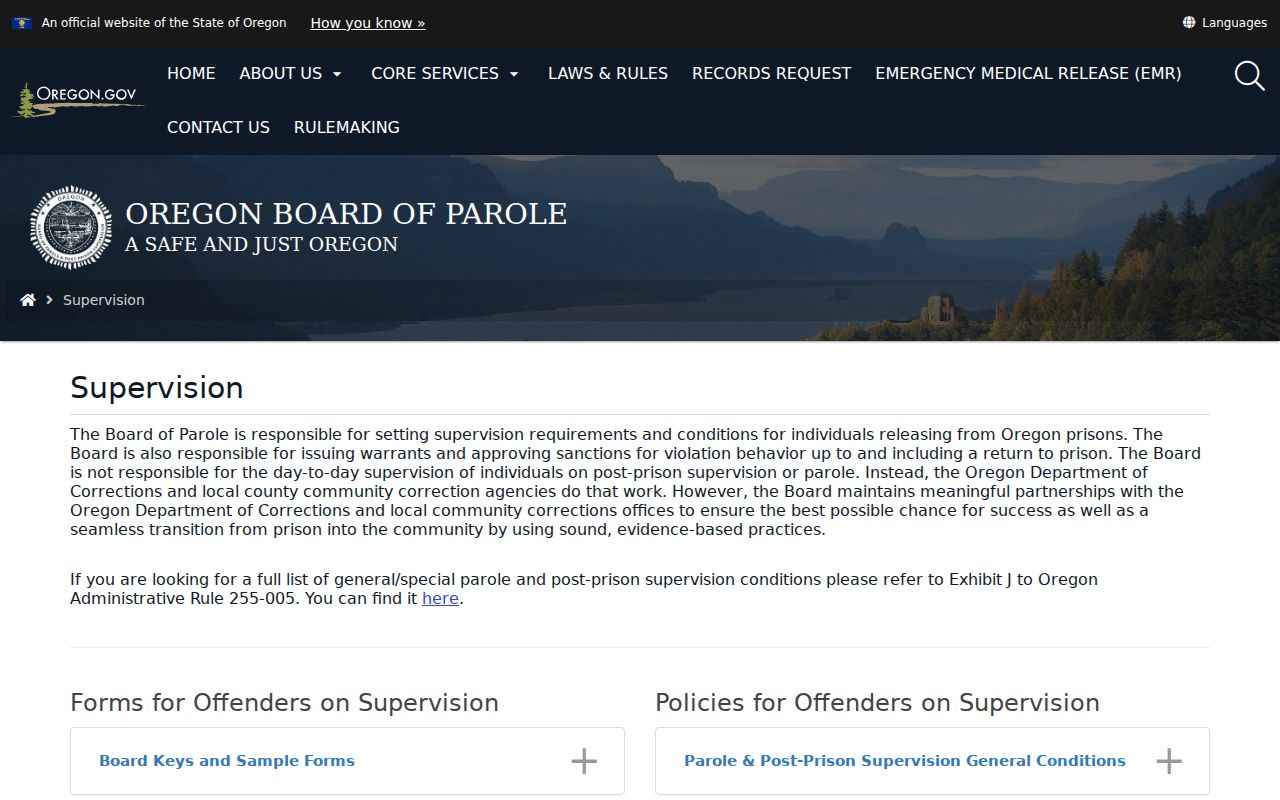
A judgment can show the sentence, but officer notes, assessments, and treatment information may remain confidential. Route local supervision questions through the county where supervision occurs.
Public Access Laws for Oregon Criminal Records
Oregon uses separate access tracks. General agency records start with the Oregon Public Records Law and the office that holds the file. OSP criminal history follows a special, limited disclosure statute. Court files follow clerk access law and Oregon Judicial Department rules. A public result proves neither identity nor guilt, and protected or set-aside material can be withheld.
The official Oregon Public Records Law text provides the statewide rule and its exemptions.
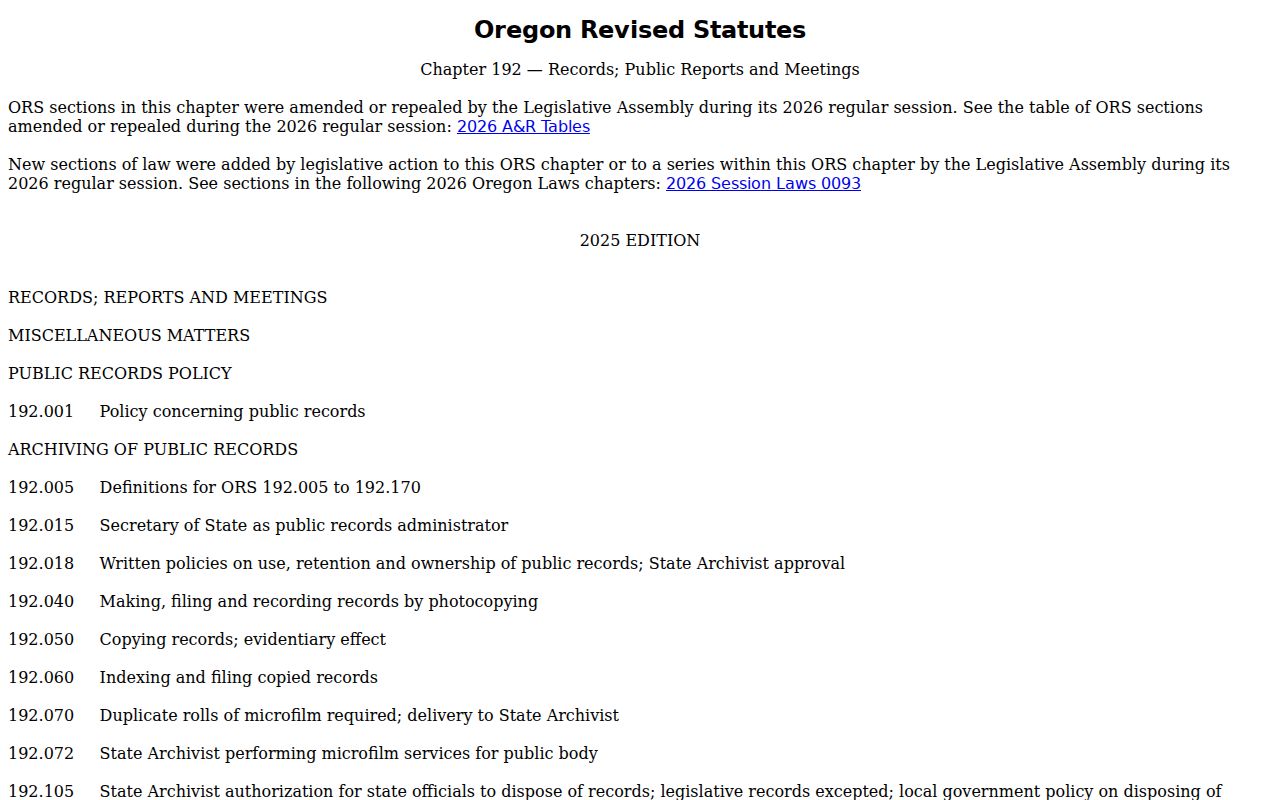
The law routes a request to the actual custodian, such as OSP for a trooper report or a local agency for its own incident file.
Key Oregon statutes:
ORS 192.314 and 192.324 create the general right to inspect nonexempt public records and set the response framework.
ORS 181A.230 and 181A.245 govern the limited, noticed OSP inquiry about another person.
ORS 7.130 allows court-file inspection subject to confidentiality law and court rules.
ORS 137.225 permits courts to set aside eligible Oregon records.
ORS 163A.215 controls sex-offender notification, including Level 3 web publication.
Oregon Set-Asides Start in Court
Oregon's main adult clearing term is “set aside.” Under ORS 137.225, eligible convictions, arrests, citations, charges, and certain contempt findings can be set aside by the court tied to the event. The filing goes to the court of conviction or finding. For an unfiled arrest, acquittal, or dismissal, the correct court is in the event's county. Municipal and justice court matters stay with those courts rather than moving automatically to circuit court.
Eligibility and timing depend on record class, completion of sentence and supervision, pending matters, payment obligations, and statutory exclusions. The current process has no ORS 21.135 filing fee, but it requires an OSP criminal-history check and a $33 payment to OSP. The prosecutor may object to a conviction motion. This remains petition-based, not a broad automatic adult clean-slate system. After an order, verify the court display and your fingerprint-based OSP copy because source systems must process the change.
Note: Oregon's 2022 marijuana pardons and the reported sealing of 47,144 single-charge possession cases are a separate, narrow mass-clearing action.
Oregon Reports and Charge Classes
Police and incident reports stay with the agency that created them. OSP Central Records handles OSP-investigated incidents and citations by online, mail, fax, or email request. A city police report belongs with that city. A sheriff report belongs with that county. Oregon Public Records Law permits redaction or withholding for active investigations, juvenile material, medical information, victim safety, and other express exemptions. A narrow request with the incident number, date, place, agency, and exact document can reduce search time and cost.
Charge class adds another layer. Under ORS chapter 161, Oregon uses Class A, B, and C felonies and Class A, B, and C misdemeanors, plus unclassified offenses whose statute supplies the penalty. The class describes the charging or conviction framework. It does not tell whether the person was convicted, whether terms ran at the same time, or whether later relief applies. Read the filed count, disposition, and judgment together.
| Statewide item | Researched amount |
|---|---|
| OSP Open Record | $33 |
| OSP copy of own record | $33, plus fingerprint acquisition |
| OSP public fingerprint capture | $30 |
| OSP notarized own-record copy | $5 per copy |
| OJCIN account setup | $170, plus current subscription terms |
| DMV police traffic crash report | $8.50 |
Federal Records Sit Outside Oregon
OSP's public and self-review products are Oregon-only. Federal charges in the District of Oregon appear through the federal court and PACER, not OJD. The FBI Identity History Summary is the subject's national fingerprint-based route. It begins through the FBI's electronic request portal, a participating USPS location, an approved channeler, or a mailed fingerprint card.
Federal prison custody is also separate. The Bureau of Prisons Inmate Locator generally covers federal custody records from 1982 forward.
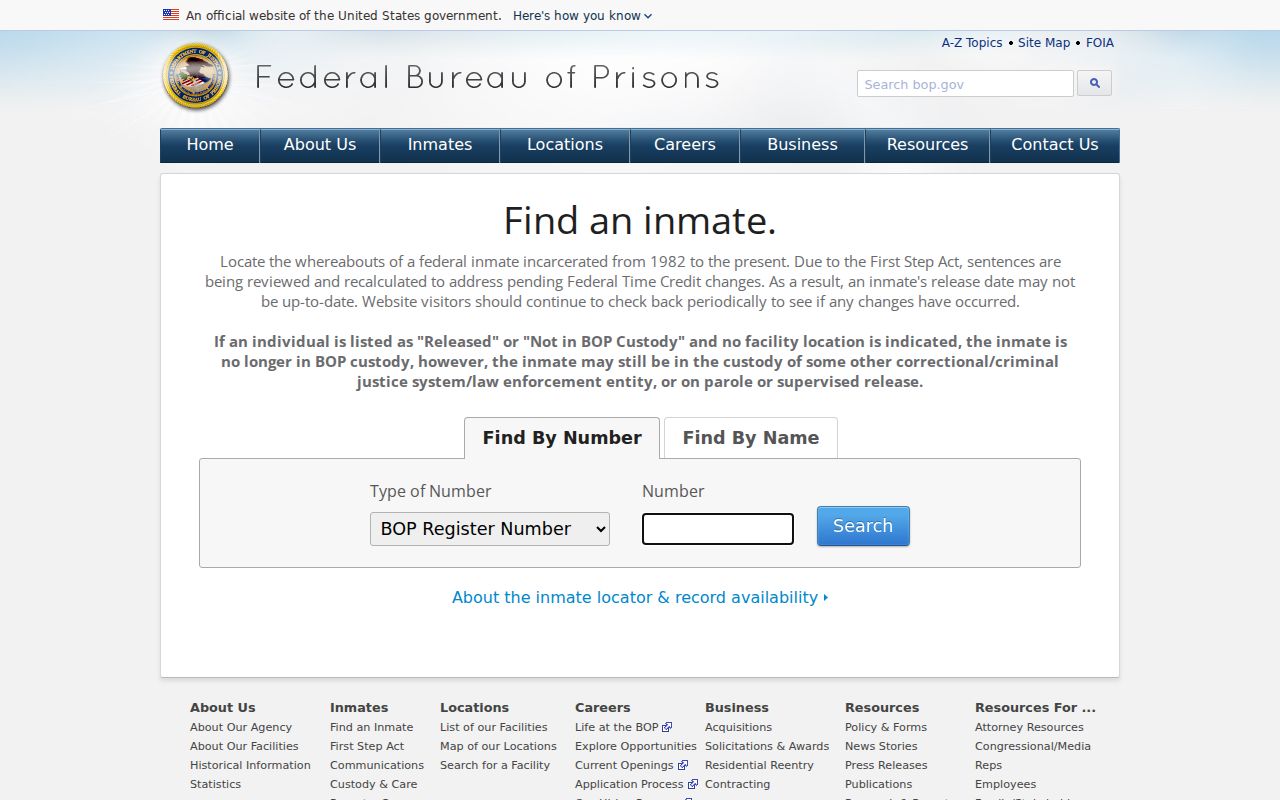
A federal result does not replace Oregon Offender Search or a county jail roster. Each system follows its own jurisdiction and custody layer.
Oregon UCR Counts Events, Not Histories
OSP CJIS coordinates Oregon Uniform Crime Reporting and publishes open dashboards built from participating state, local, and tribal agency reports. The current dashboard series begins in January 2020 and is updated monthly from April through December. Filters cover time, geography, agency, offense, arrest category, age, sex, race, and ethnicity. Those controls support public trend research, but they do not open a record about a named person.
The Oregon UCR program page identifies the reporting program and its statewide data role.
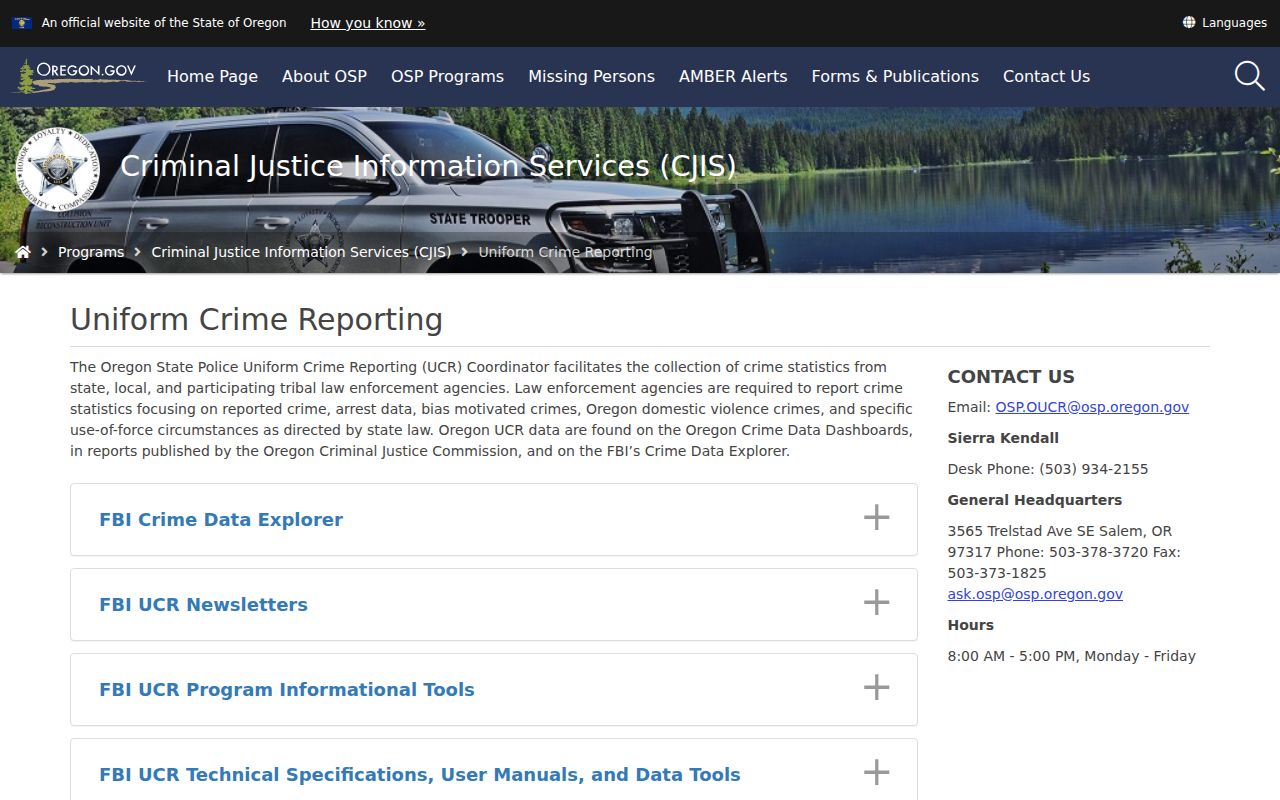
A missing value may reflect participation or timing. “Distinct Arrest Offenses” counts reported offense records, not a deduplicated number of people arrested, so it should never be read as a personal background result.
Find Criminal Records by County in Oregon
Oregon's 36 counties are the route to original bookings, jail rosters, sheriff reports, and circuit-court documents. The largest population centers create a high share of state case and custody activity, but the same custodian split applies statewide. Start with the county where the arrest or case arose.
Multnomah County
Portland · Oregon's largest county and central metro record route
Washington County
Hillsboro · Portland west-metro court and sheriff systems
Clackamas County
Oregon City · Portland south-metro local record channels
Lane County
Eugene · Southern Willamette Valley justice hub
Marion County
Salem · Mid-valley county and state-capital record route
Jackson County
Medford · Southern Oregon metro record route
Deschutes County
Bend · Central Oregon court and custody hub
Browse the full directory of all 36 Oregon counties to open the criminal records site for any county.