
Running a Check in Oregon
The official Oregon Sex Offender Online Search is maintained by the Oregon State Police Sex Offender Registration Section. It publishes the part of Oregon registry data selected for broad public notice. The key fact comes first: the portal generally displays Level 3 registrants, the highest Oregon risk-notification level. A person under Psychiatric Security Review Board supervision may be excluded unless that board asks for publication. A blank result does not prove that a person has never registered.
Use the system for personal, family, and community safety. Start with more than one descriptor. Read the date of last registration and the address status. Then use law enforcement for positive identification or a specific safety concern. Fingerprints or DNA, not a shared name or similar photograph, establish identity. The portal itself warns that data changes often and can be incomplete or out of date.
The official Oregon search interface shows the terms gate and the available search modes.
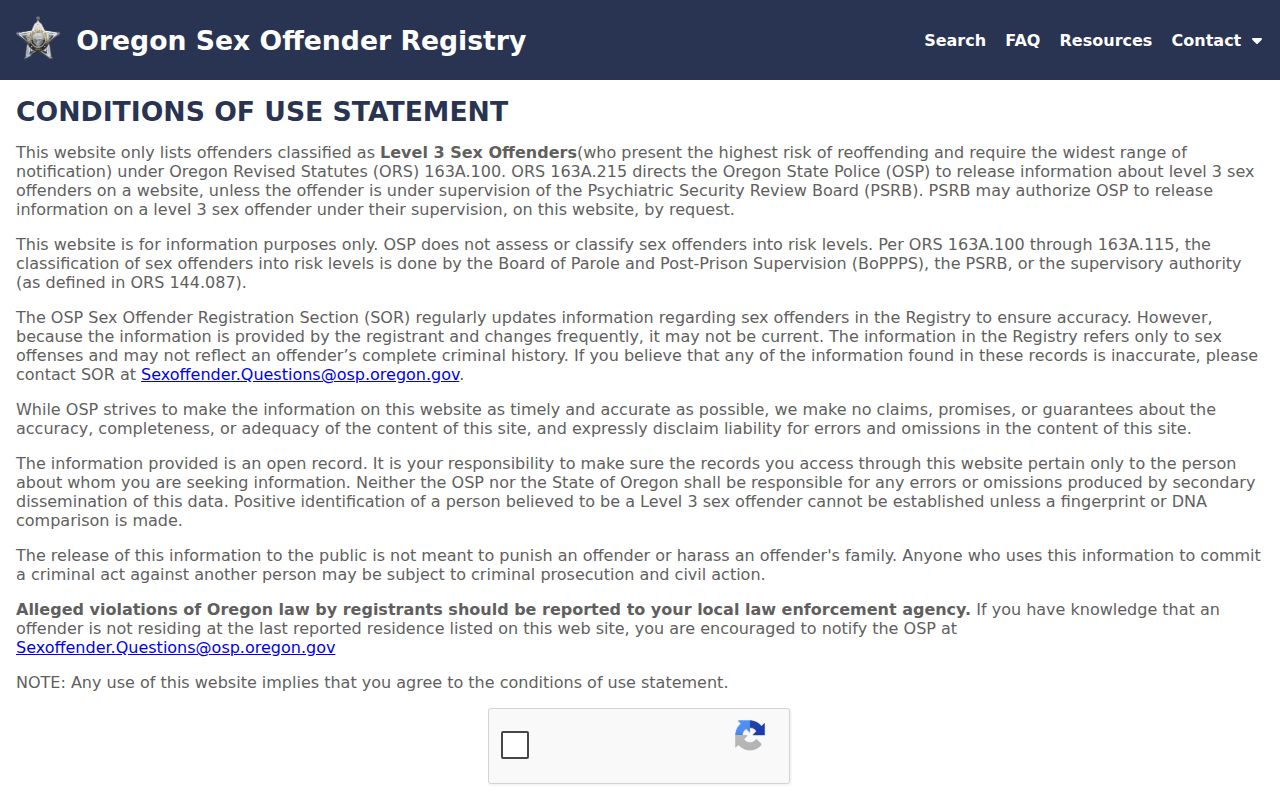
That interface makes the Level 3 coverage warning part of the search, not a minor note after results.
Oregon Registry Map Limits
Oregon's map is a public-notification view, not a census of all registered people. Level 1 means the lowest assessed risk and narrow notification. Level 2 carries moderate notification that may reach specified neighbors, schools, day care sites, or care facilities. Level 3 receives the broadest notice and, subject to the PSRB exception, statewide web publication. Those levels describe assessed risk and notification. They are not the federal SORNA offense-duration tiers.
OSP holds and publishes the registry data, but it does not independently assign every level. The Oregon Board of Parole and Post-Prison Supervision, PSRB, or another authority set by law handles classification. The public portal therefore shows only a selected layer of a larger state system. Oregon reported more than 34,138 people in the OSP registry database in October 2025, but that dated number is not a count of public Level 3 profiles.
Note: An Oregon registry no-match means no matching public profile was found, not that no registration duty exists.
Searching the Oregon Sex Offender Online Search
Three tabs shape an Oregon sex offender search: Address Search, Person Search, and Map Search. Before using them, select “Agree & Submit” on the terms screen. The address tool needs a resolved address selected from the suggestion list. It then searches within a chosen radius. Person search accepts one or more name and place fields. Map search supports visual review of published pins.
- Read and accept the portal conditions, including the Level 3-only publication limit.
- Choose person search for a known name, or address and map search for an area review.
- Open a profile and compare aliases, physical traits, registration date, and address status.
- Use official court, custody, or law-enforcement channels when the profile does not answer the question.
| Field Label | Type | Required | Notes |
|---|---|---|---|
| Address Search | Autocomplete text | Yes for radius search | Select a resolved address to center the map. |
| Radius | Dropdown | With address | Choose 0.5, 1, 2, or 5 miles. |
| Last, First, Middle | Text | No single field marked | Use one or more person fields. |
| City, County, ZIP | Text or select | No | County offers all 36 Oregon counties. |
| Map Search | Interactive map | No | Shows pins for returned public profiles. |
| Profile Updates | Email subscription | No | Tied to one selected profile, not any person near an address. |
Exports in CSV or PDF repeat the limits of the query. They do not reveal Levels 1 or 2.
When Oregon Finds No Match
First, change the query. Try a known alias, remove a middle name, or search a city, county, and ZIP. A date of birth cannot be entered in the Oregon search form, even though full birth dates appear in result cards. Next, rerun the address search with a wider listed radius. Remember that a typed address must be selected so the system can map it.
If a specific safety concern remains, contact local law enforcement or OSP SOR. Narrow notification for Levels 1 and 2 can be made by the supervising or notifying agency when it is needed to protect the public. For another state, territory, or participating tribal jurisdiction, use the National Sex Offender Public Website and follow its link to the source registry.
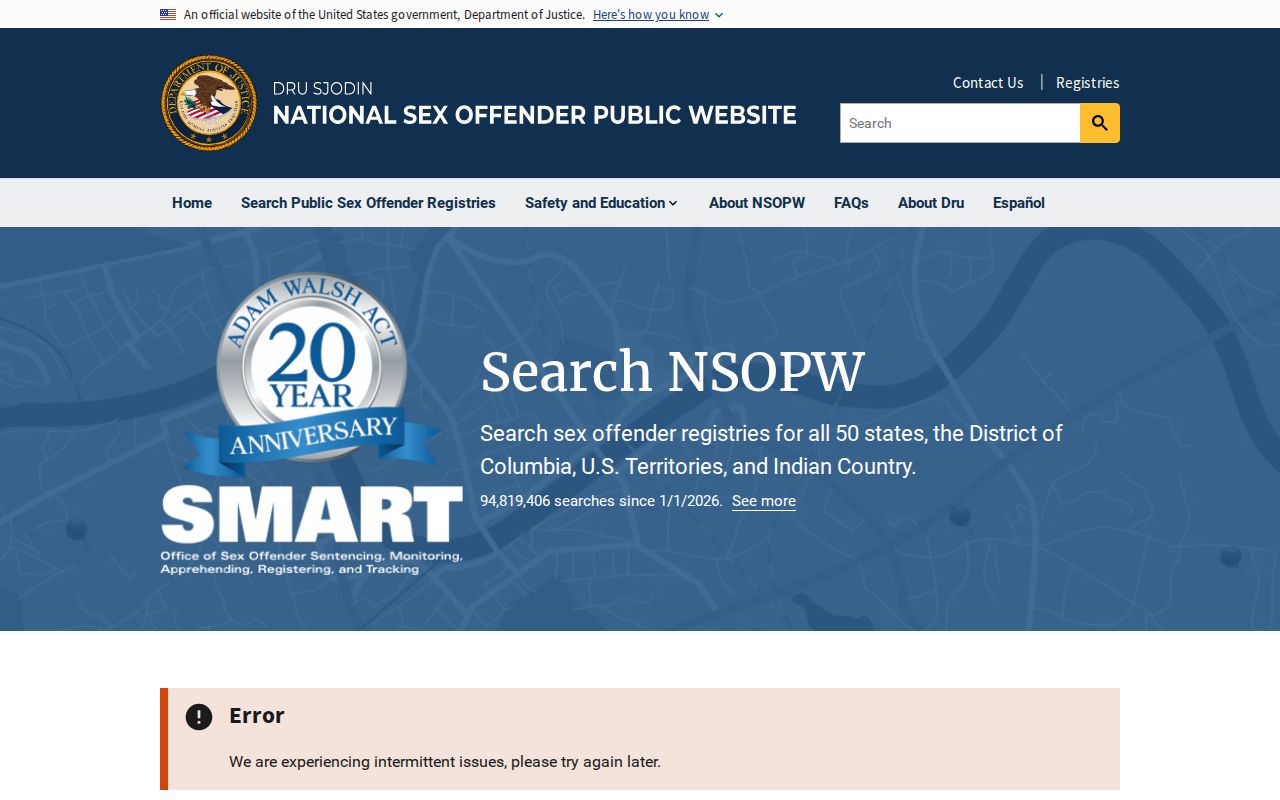
NSOPW expands the jurisdictional starting point, but each source registry still controls its own update and disclosure rules.
What a Profile Shows
An Oregon registry profile is a notification snapshot. It can show a registration photograph, name and aliases, full date of birth, age, sex, height, weight, hair, eyes, scars, marks, tattoos, and other traits. Residence may be a street address or “No Primary Address on File.” That phrase is a data status. It does not prove where someone is, why an address is absent, or whether a violation occurred.
| Name & Aliases | Displayed name plus known alternate names for careful comparison. |
|---|---|
| Photograph & Description | Image at registration and physical traits that may change over time. |
| Registered Address | Street address when supplied, county data, or no-primary-address status. |
| Offense Details | Conviction date, offense or code description, and severity when populated. |
| Registration Date | Date of last registration, useful for context but not a currency guarantee. |
| Offender Status | Registry status descriptions, not custody, warrant, or supervision findings. |
The profile does not contain the full indictment, protected victim facts, every sentence event, or all non-registry convictions. Oregon court records can provide public case context. Current custody questions belong with DOC, VISOR, or a county jail.
Oregon Registration by County
Registration happens in person through a qualifying Oregon State Police office, city police department, or sheriff in the correct county. New residents and people released into Oregon generally report within the applicable ten-day window. Annual reporting falls within ten days before or after a birthday. Residence, legal name, work, vocation, and higher-education changes also carry reporting duties. International travel uses a separate advance period.
The OSP registering-agencies directory shows the authorized local route.
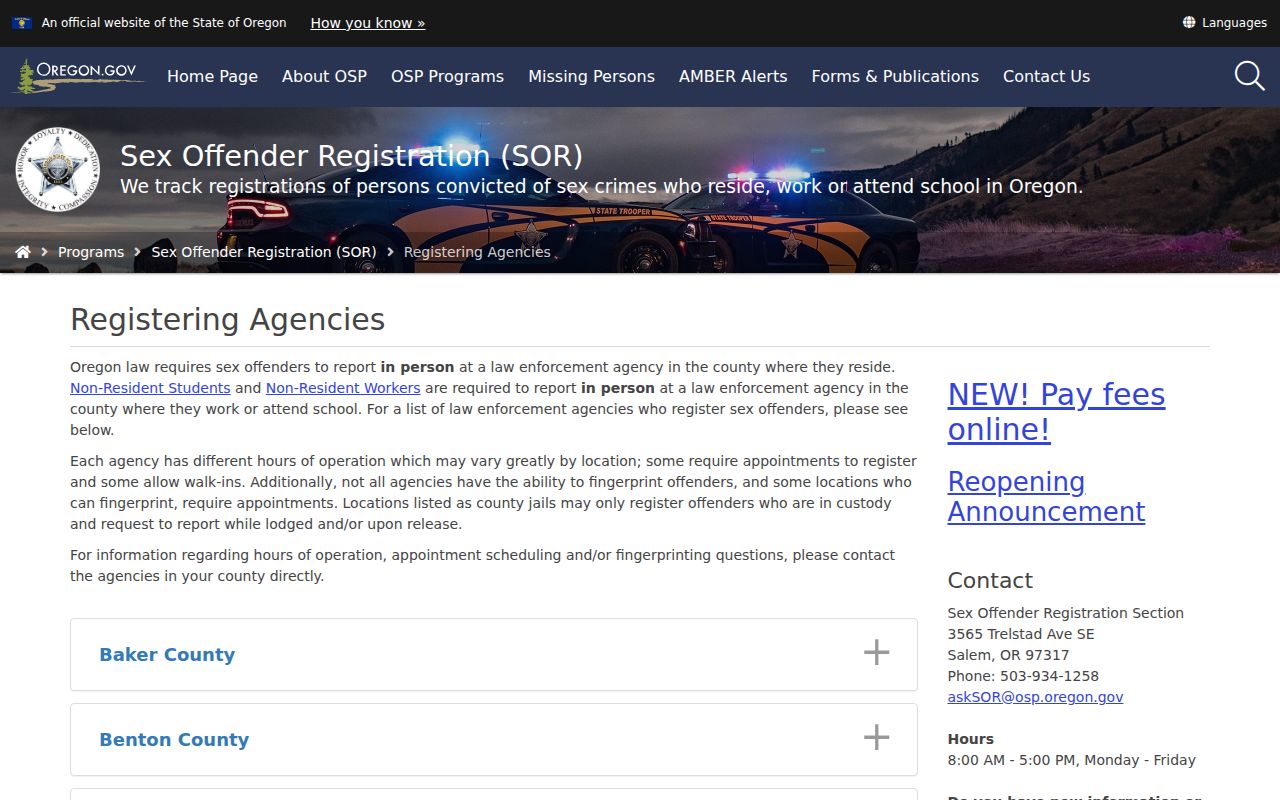
Local hours, appointment rules, and fingerprint capacity vary, so contact the listed office first and use the Oregon county directory for the right local records site.
Initial and annual reports can include a photograph. Fingerprints are required when absent, and scars, marks, or tattoos may be photographed. A stale-looking public address is not proof of failure to report. Send suspected noncompliance to the police or OSP SOR so authorized staff can compare nonpublic registration records.
Registration Requirements and Levels
Oregon's registration duty generally has no automatic ten-year or twenty-five-year end point. It is usually lifelong unless statutory relief or a qualifying reversal, vacatur, or pardon ends the duty. Risk level changes the notice and possible relief route. It does not create an automatic expiration date. Passing the first petition date also does not guarantee relief.
| Oregon Level | Public Notice | Earliest Relief Route |
|---|---|---|
| Level 1 | Limited, not routine statewide web publication | Some adults may petition after five years beyond supervision or jurisdiction. |
| Level 2 | Moderate, tailored community notification | May petition for Level 1 after ten years beyond supervision or jurisdiction. |
| Level 3 | Widest notice and qualifying OSP web publication | May petition for Level 2 after ten years, subject to exclusions. |
Serious offenses listed in ORS 163A.115 and Sexually Violent Dangerous Offender status can bar full relief. An out-of-state conviction adds the law of the conviction jurisdiction. Relief is a petition and hearing process, not timer-based deletion.
The Oregon sex-offense statutes provide the underlying offense framework.
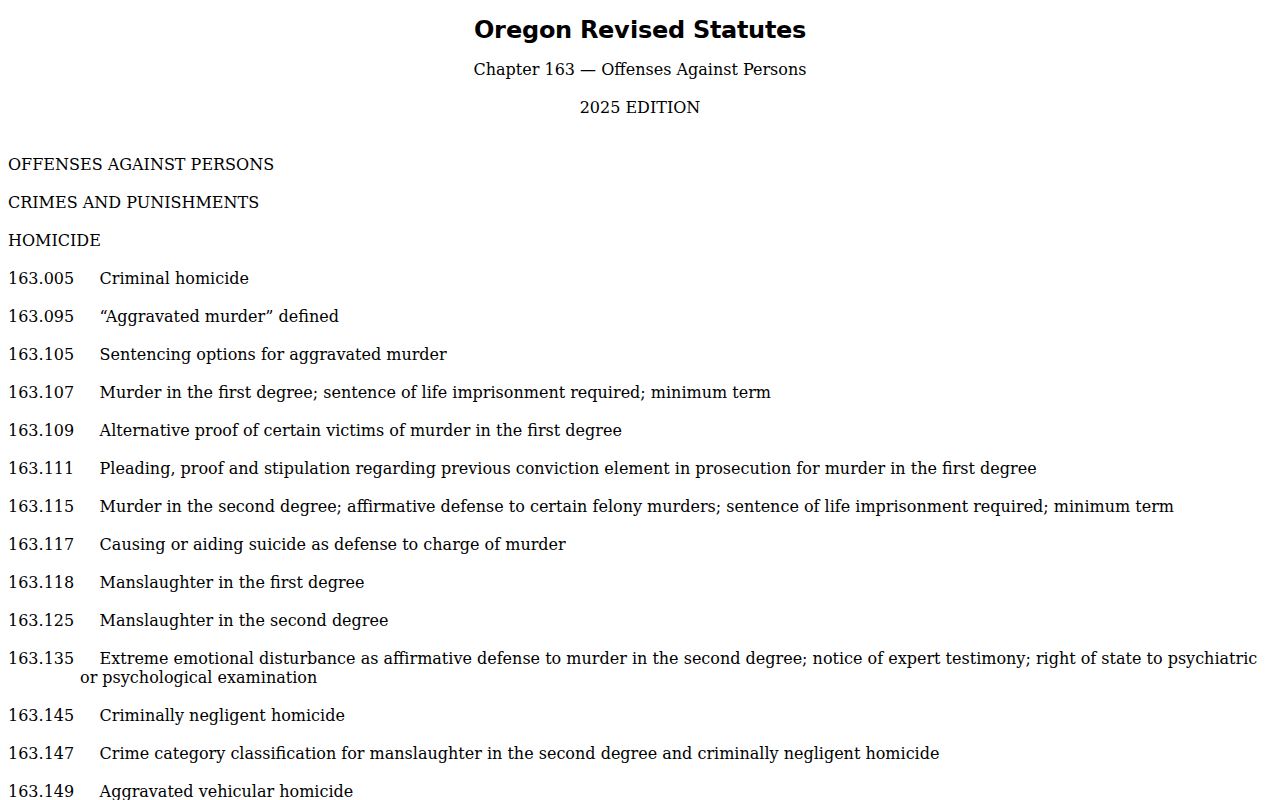
Those criminal statutes work alongside the separate ORS chapter 163A rules for registration, classification, notice, and relief.
Oregon Notification Levels Evolved
Oregon's current risk-notification structure is fairly recent. Legislation created the levels in 2013. Board assessments began in 2015, and relief hearings began in 2019. The public Level 3 portal sits on top of an older and larger registration system. This history helps explain why thousands of historical registrants were still awaiting assessment in dated state workload reports.
Classification methods also differ by category. Board material describes Static-99R for adult males and LS/CMI plus personal evaluation for women, juveniles, and some non-contact cases. A level is an administrative risk-notification classification. It is not a new conviction or a replacement for the court judgment. OSP maintains the record and publication system while the authorized board or supervisory body makes the classification decision.
Note: Dated workload counts describe assessment work, not the number of people visible in a current Oregon sex offender search.
Oregon Residence and Notification Rules
Oregon has no one fixed-distance residence ban that applies to every registrant. Supervision rules under ORS 144.642 use a decision framework that can restrict a permanent residence near places mainly used by children, with exceptions. ORS 163.476 separately restricts some Level 3 and other specified high-risk people from knowingly remaining at places where minors regularly gather without approval. A claim that Oregon imposes one universal “1,000-foot rule” is inaccurate.
Notification also varies by level. Level 2 notice can reach co-residents, close contacts, neighbors, schools, child-care settings, and certain care facilities when authorized. Level 1 notice can be narrower. Under ORS 163A.215, the supervising or notifying agency may disclose what is needed for protection. Registering at a local office, receiving a risk level, and appearing on the public portal are distinct steps.
The OSP Sex Offender Registration program keeps current state guidance together.
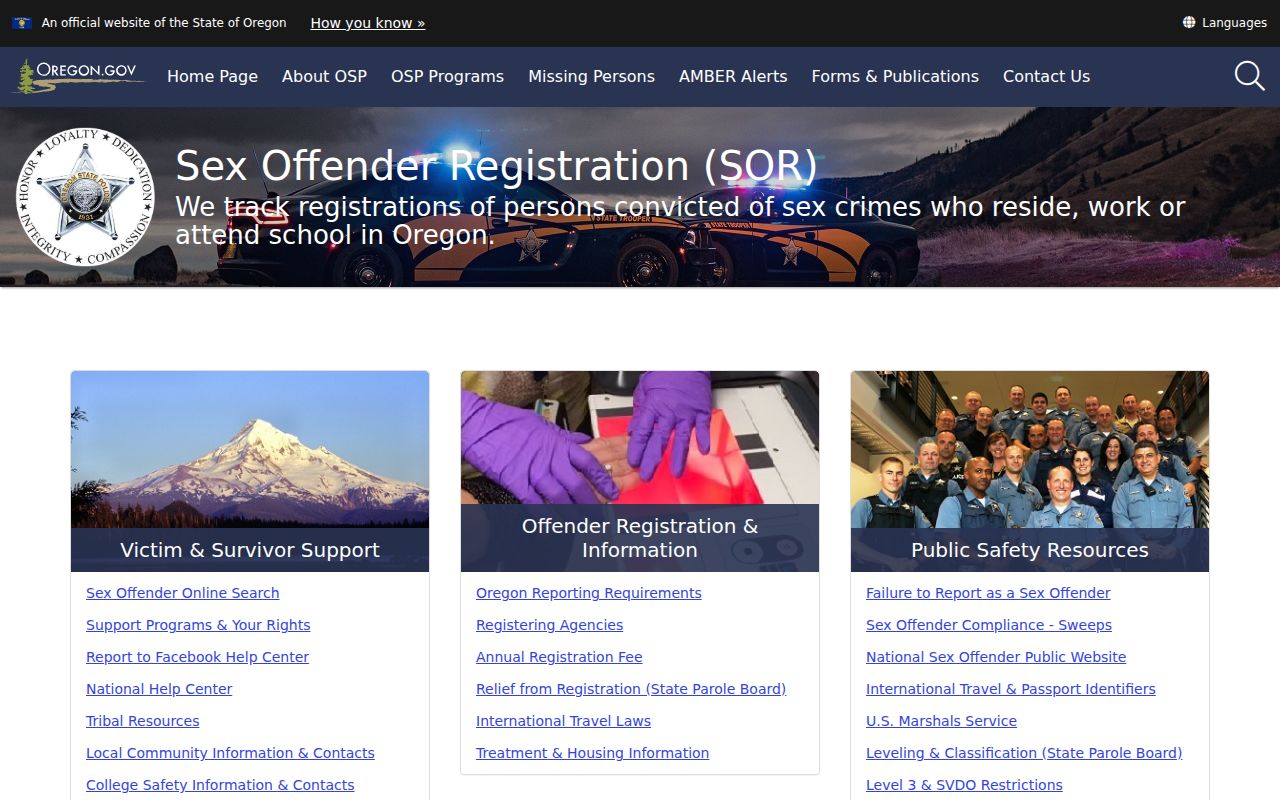
Program guidance is the right source for updates that may not yet be reflected in an older summary or saved export.
Lawful Use
Oregon registry information supports awareness and protection. It does not authorize contact, punishment, threats, or public accusations. Confirm identity with more than a name and image. If conduct appears urgent, call emergency services. For a suspected registration violation, contact local law enforcement or OSP SOR instead of confronting the listed person or family.
Misuse can lead to prosecution or civil action. Oregon warns users not to harass, intimidate, punish, or commit a crime with registry information.
The Oregon registration and publication law defines the state's disclosure framework.
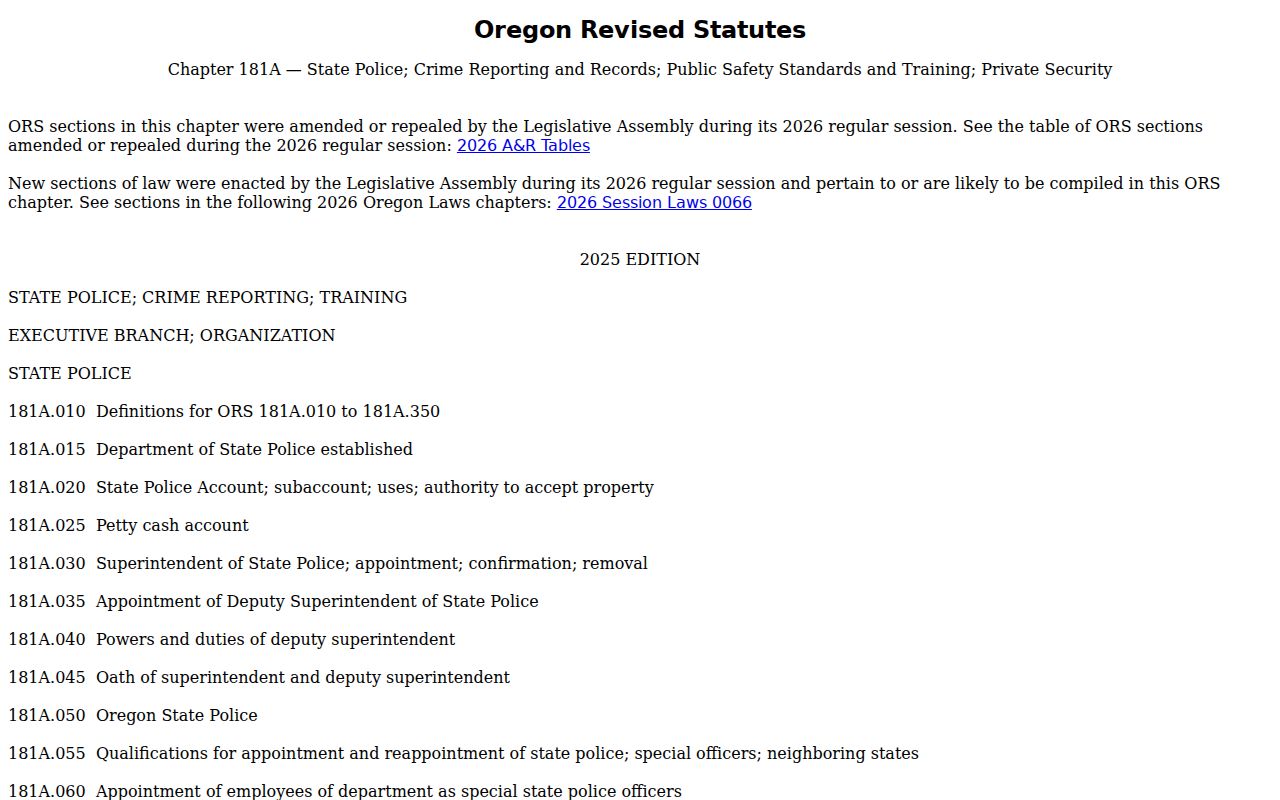
That law explains why the public portal is narrower than the registry held by OSP and why tailored local notification still matters.